48 hr
Mekong Delta & Cai Rang Floating Market 2-Day Adventure
Discover waterways, floating markets, and rural villages on this immersive overnight journey through Vietnam's lush delta region.
Reserve
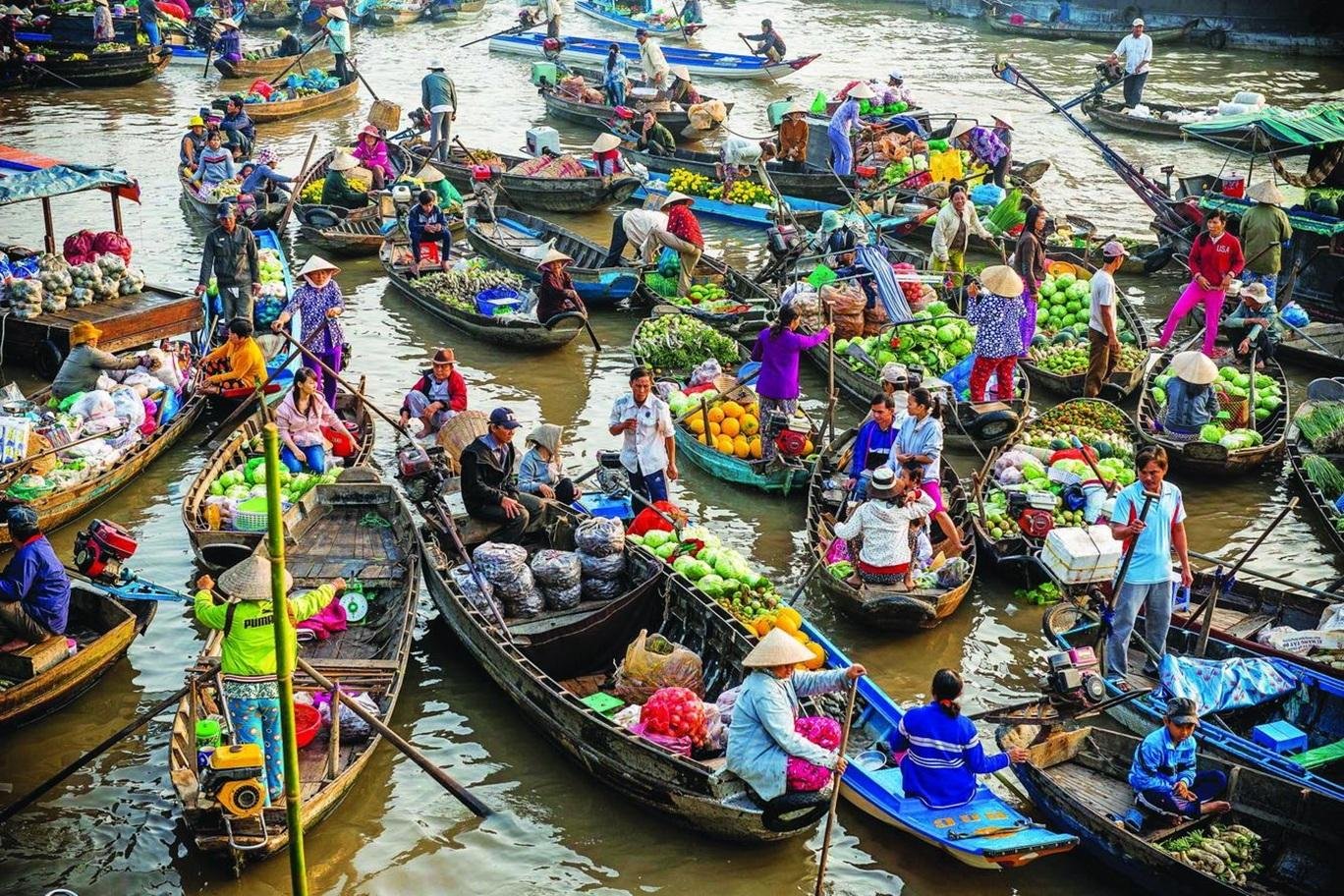
Dawn trading on the Mekong, where wooden boats carry pyramids of fruit and centuries of river commerce.
Hand-picked by our editors — only the best 5 experiences from 47 reviewed.
Verified partners for every tour, free cancellation where available, and instant confirmation on every booking.
48 hr
Discover waterways, floating markets, and rural villages on this immersive overnight journey through Vietnam's lush delta region.
Reserve
48 hr
Explore authentic Delta life, peaceful waterways, and witness sunrise at Cai Rang Floating Market
Reserve
48 hr
Discover traditional river life, bustling floating markets, and authentic delta culture on this immersive overnight escape from Ho Chi Minh City
ReservePrices from verified partners. Availability updates in real time at checkout. Free cancellation policies apply where shown.
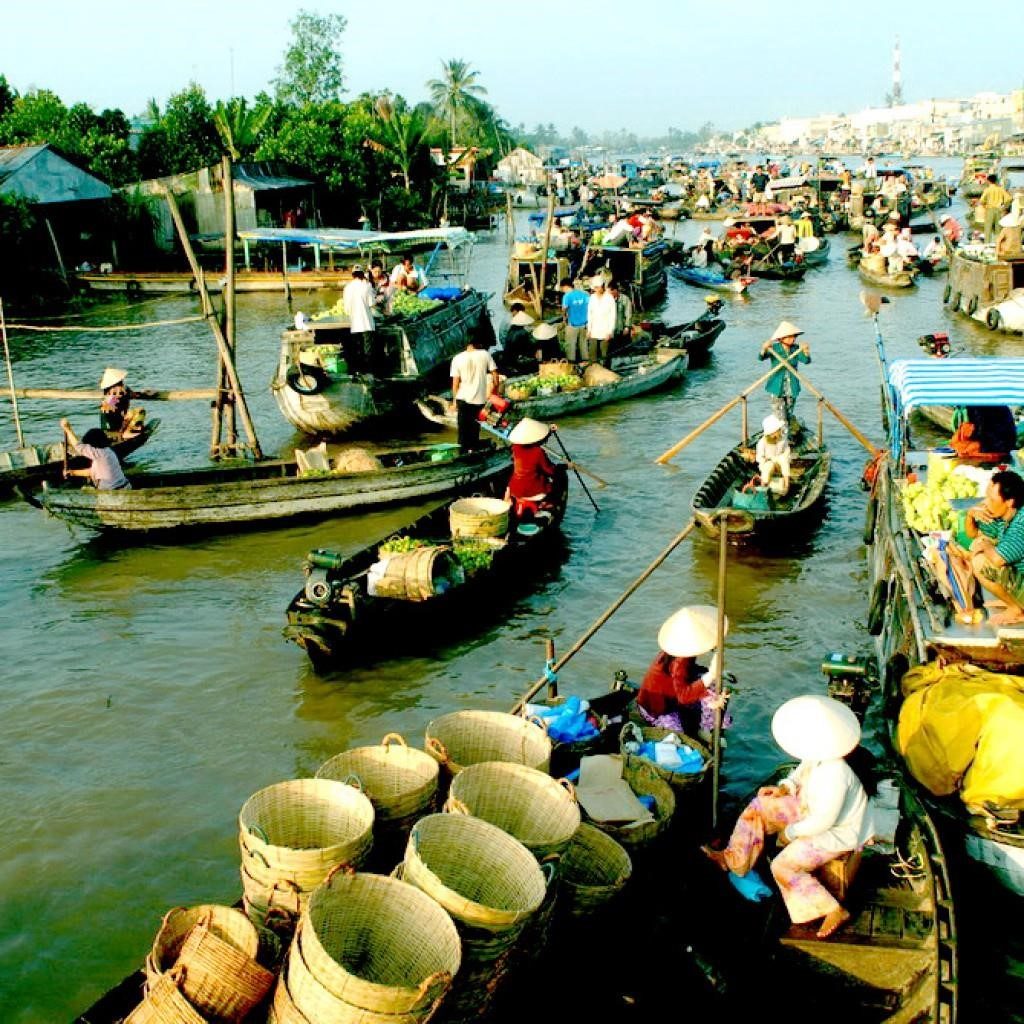
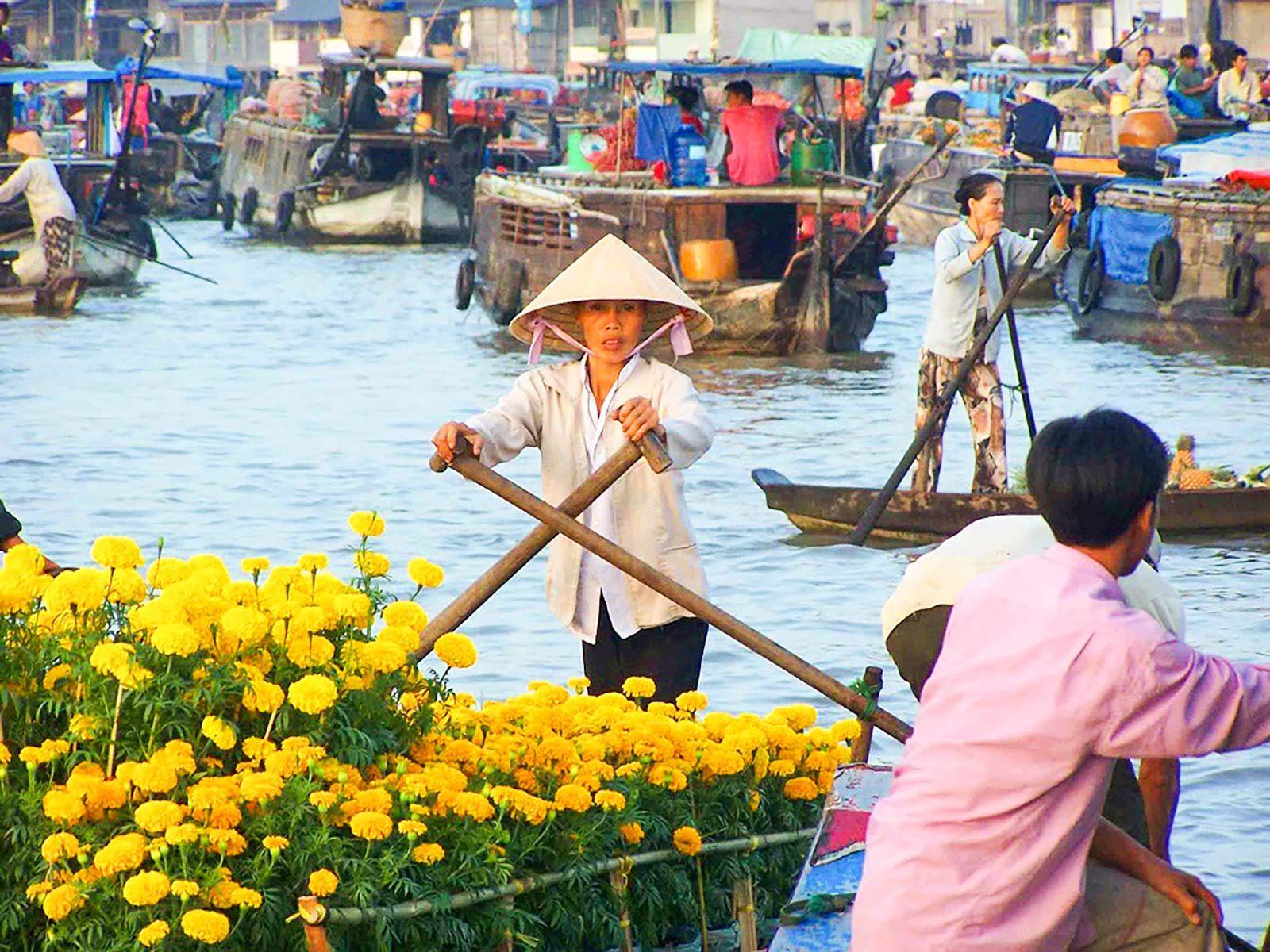
The landmarks, rooms, and views travelers on this tour remember — all visible on a single visit.
Vendors display their goods on tall wooden poles called 'cay beo' to attract buyers from a distance. The practice ensures shoppers can easily find items like pineapple, coconut, or gourds.
Small boats serve steaming hot hu tieu noodles directly on the river, a culinary tradition that has lasted for generations.
Hundreds of boats arrive daily from across the Mekong Delta laden with fresh tropical fruits like dragon fruit, durian, and mango.
The early morning hours provide a soft, golden light across the water, creating a serene and photogenic atmosphere.
Watching the daily, multi-generational routines of river families offers a genuine look at life in the Mekong Delta.
Cai Rang is the superior choice for those prioritizing scale and commercial activity, whereas Cai Be offers a more subdued atmosphere for travelers seeking a quieter river experience. Many visitors booking a cai be floating market from ho chi minh tour find that the larger, more active Cai Rang market provides a more authentic glimpse into Mekong Delta trade.
| Feature | Top pick Cai Rang | Cai Be |
|---|---|---|
Distance from HCMC |
170 km | 105 km |
Market Scale |
Large commercial hub | Small craft clusters |
Tourist Density |
High | Moderate |
Authenticity Level |
High for wholesale | Mixed with tourism |
Typical Boat Type |
Large motorized sampans | Small wooden sampans |
Accessibility |
Requires Can Tho base | Accessible as day trip |
| See tickets → |
Verdict: Select Cai Rang if you want to witness the heart of Mekong commerce, or opt for Cai Be if you prefer to save travel time with a cai be floating market from ho chi minh tickets package that minimizes transit hours.
Choose your ticket, select your date, and reserve in under two minutes. Secure checkout handled by our verified partner.
Instant confirmation by email, with a mobile voucher you can save offline. No printing, no queuing at a collection desk.
Arrive at the entrance, show your voucher on your phone, and walk in. Most tickets include priority or skip-the-line access.
Best time to go, insider tips, nearby landmarks, and the cancellation fine print — flip through to skim what matters to you.
How crowds, weather, and events shift across the year.
Pleasant temperatures and clear skies make this ideal for cai be floating market from ho chi minh tours.
Abundant tropical produce and lively trading for your cai be floating market from ho chi minh tickets.
The 05:30–07:30 arrival window is essential for the best Cai Rang Floating Market experience.
Avoid visiting after 12:00 as most vendors have departed.
Small details that turn a good visit into a great one.
Confirm the price per boat before setting off to avoid confusion during your cai be floating market from ho chi minh trip.
The breakfast served on the water is a local staple you should not miss when using your cai be floating market from ho chi minh tickets.
Look for the tall poles, or 'cay beo', on the boats; these indicate what goods the vendor is selling.
Carry enough water, as the river sun can be intense even during early morning hours.
Remember this is a working market, not just a tourist attraction; observe trading from a distance when possible.
Pair your trip with a visit to the nearby rice noodle factory to see the full production cycle of local goods.
Non-bookable sights within a short walk — free to visit, easy to pair.
A stunning colonial-era mansion featuring intricate architectural details and historic charm.
Flexible, no hidden fees.
Most third-party operators allow free cancellation if requested at least 24 hours in advance. Please note that the entrance fee to the market itself is 0 VND (Free entry; boat tour fees apply separately).
Hand-picked options within walking distance — pick a district for vibe, or a specific hotel for convenience.
Riverside hotel with modern amenities and river views.
Cai Rang Floating Market — technically distinct from but often conflated with the smaller Cai Be market upstream — operates beneath a concrete span near Can Tho, three hours southwest of Ho Chi Minh City. The Mekong Delta's largest wholesale floating bazaar has convened here since the early 20th century, when French colonial administrators dredged deeper channels and Chinese-Vietnamese traders established fruit monopolies along the waterways. Unlike land markets that migrated to fixed addresses, Cai Rang persists on the water because the river itself is the infrastructure: no rent, no permits, just anchored wooden vessels displaying their wares on cay thuoc — tall bamboo poles that function as floating billboards, each topped with pineapples, dragon fruit, or cassava to signal the cargo below. The market peaks between 5:30 and 7:30 each morning, when wholesale buyers — restaurant owners, market vendors from Ho Chi Minh City, provincial distributors — motor out in narrow sampans to negotiate directly with farmer-merchants. By mid-morning the wholesale trade thins, leaving tourist boats to circle the periphery and a few retail sellers hawking iced coffee and banh mi from roving kitchens. The Cai Rang Bridge, completed in 2008, looms over the northern edge; its construction displaced some vendors but consolidated the market's footprint, making the scene more photographable and less sprawling than it was a generation ago. What distinguishes cai be floating market from ho chi minh itineraries is duration: day trips compress the three-hour drive each way into a rushed timetable, while two-day tours allow an overnight in Can Tho, a pre-dawn departure by private boat, and time to explore adjacent canals where smaller markets like Phong Dien operate without tourist infrastructure. The Hau River — the Mekong's westernmost Vietnamese distributary — carries silt from Tibet and sediment from Yunnan, turning the water the colour of milky tea and sustaining the orchards that supply the market's cargo. Most cai be floating market from ho chi minh tours include stops at fruit farms, rice-noodle workshops, and the narrow arroyos where water hyacinth clogs the surface and kingfishers hunt from overhanging branches. The market itself is free to observe; costs come from hiring a motorized canoe, a guide, and the return logistics to Ho Chi Minh City.
"The river itself is the infrastructure: no rent, no permits, just anchored vessels displaying their wares on bamboo poles that function as floating billboards."
Yes, you can enjoy delicious local noodle soups and coffee directly on the boats at the Cai Rang Floating Market.
Photography is highly encouraged, especially during the early morning hours when the light is perfect.
Bring sunscreen, a hat, a camera, and enough VND cash for your cai be floating market from ho chi minh visit.
Yes, you can easily visit the Binh Thuy Ancient House and Ninh Kieu Wharf alongside the Cai Rang Floating Market.